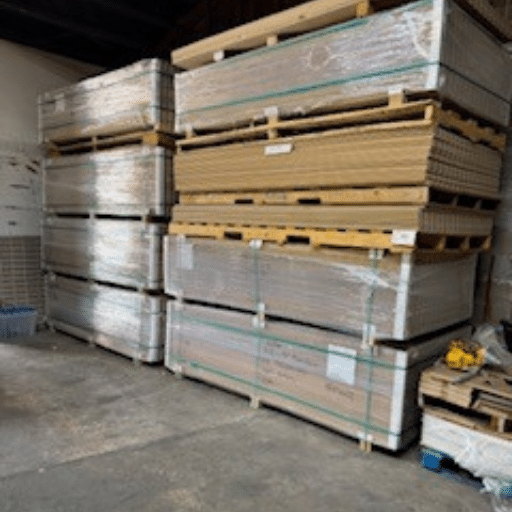
Curious how to hang slatwall and whether a tired garage or retail wall can transform into a tidy, flexible display with just a few panels and the right plan?
We serve Alabama and Mississippi from Birmingham and have supplied durable, USA-made products since 1977. Our goal is simple: clear pricing, fast delivery, and damage-free handling that gets panels into your space ready for installation.
Slatwall panels typically come in 4 ft by 8 ft sheets, covering 32 sq ft each and fasten with screws through the grooves. A 3/4″ MDF panel weighs about 85 lbs, so plan on at least one helper and the right tools when lifting.
Install over drywall or secure directly to a stud run where code allows. Use a ledger board when starting above the floor and follow a sequence that makes layout, seams, and fastening predictable and efficient.
We pride ourselves on fast, reliable, damage‑free delivery across AL and MS and straightforward installation with common tools. Call us at (205) 567-1627 or email almsswdepot@outlook.com to plan a solution that fits your products, storage needs, and brand goals.
Key Takeaways
- We offer expert guidance and USA-made panels with reliable delivery across Alabama and Mississippi.
- Standard panels cover 32 sq ft; plan materials and time accordingly.
- Have a helper and basic tools on hand; panels are heavy but manageable.
- Mount over drywall or directly to studs; start with a ledger for higher placements.
- PVC slatwall and MDF options fit garages and retail displays for durable, organized space.
Start here: what slatwall is, why it works, and when to DIY vs. hire a pro
A well-planned groove-based wall can turn clutter into a flexible, attractive storage and display solution.
What it is: This system uses panels with horizontal grooves that accept hooks, shelves, and baskets. That groove geometry creates a repeatable layout for retail and garage areas, giving a tidy space that adapts as needs change.
Why it works: Consistent groove sizing and quality cores deliver lasting durability. Properly install panels through the grooves and anchor into studs with the correct screws for steady, load-bearing performance.

DIY vs. pro: A confident homeowner can manage an installation over drywall or open studs with a helper and basic tools. Hire a licensed pro when walls are uneven, finishes need repair, or commercial code requires certified installers.
- USA-made products mean consistent fit and finish for accessories and design.
- PVC slatwall is ideal in a garage for moisture resistance; MDF panels shine in interior retail display.
- Make sure a helper lifts each panel and checks stud spacing before fastening.
We serve Alabama and Mississippi with expert guidance, fair pricing, and timely, damage-free delivery from Birmingham. Visit us at 6808 Oporto Madrid Boulevard or call (205) 567-1627 for precise advice.
Tools, materials, and prep for a professional slatwall installation
A clear kit and a solid plan cut costly site delays and make installations run with confidence.
Tools & materials checklist
- Required: drill/driver or screw gun, 24″ level, stud finder, tape measure, ladder, pencil, and wall-appropriate screws.
- Optional: drill bits, circular saw, jigsaw, painter’s tape, panel adhesive, edge/corner trim, finish nails, hacksaw and miter box.
- Takeoff tip: measure length × height, divide area by 32 sq ft per 4×8 panel, then add 10% for cuts and waste.
Wall types, studs, and fastener selection
Match fasteners to structure: use 2–3″ coarse drywall screws for mdf studs and self‑tapping drywall screws for metal studs.
Masonry needs mdf furring or framing so panels fasten into solid backing. Mark stud centers on the panel grooves before you start.
Site prep and layout planning
- Protect floors and adjacent finishes in the garage workspace.
- Set a reference line with a long level, stagger seams, and land panel ends on studs.
- Dry-fit the first panel, check level, then follow a consistent screw pattern for a tidy, durable finish.
We supply USA-made products and can verify your materials list. Call (205) 567-1627 for a tailored estimate and delivery across Alabama and Mississippi.
How to hang slatwall: step‑by‑step installation process
A simple sequence of layout, support, and fastening prevents common mistakes and saves time on site.
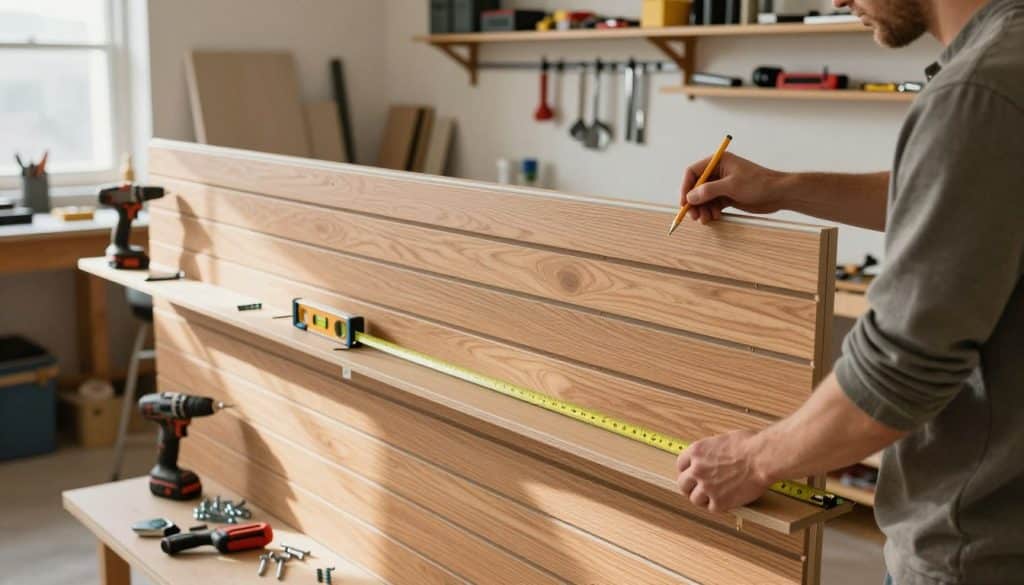
Locate studs and plan seams. We start with a stud finder, mark each stud, and snap a level reference line across the wall. Measure the area and plan seam staggering so panel ends land on structural framing.
Set the first panel. Use a ledger board when starting above the floor, dry‑fit the first panel and check level both ways. Align grooves with the marked studs before driving the first screws.
Fastening and inserts
Fasten through the grooves—not the face—with screws into each stud at about every 12–16 inches vertically. For panels with aluminum inserts, pre‑drill the insert with a bit slightly larger than the screw threads and keep the insert in place.
Stacking and alignment
When stacking panels, place an extra insert in the shared slot before installing the upper panel. Stagger seams in a brick pattern and check level often so the run stays straight.
PVC specifics and safety
PVC slatwall is ideal in a garage workspace—start from the bottom, keep screws flush, and mirror the MDF workflow for a clean design. We recommend at least one helper, edge protectors during handling, dust control, and regular level checks.
- We guide Alabama and Mississippi customers through a pro‑grade workflow.
- Call (205) 567-1627 for a plan review or materials list before you begin.
- Small steps up front save time and protect displays over the long run.
Cutting, finishing, and load considerations for long‑lasting results
Precision at the cutting stage keeps panels straight and finishes clean. Use a circular saw with the finished face down and a sharp 60–80 tooth blade for straight cuts. Set depth about 1″ and guide the saw with a straight edge for furniture‑grade edges.
For outlets and irregular openings, use a jigsaw with a 10‑TPI mdf blade. Protect the face with painter’s tape and drill starter holes at inside corners.
Finishing and trim
Choose mdf trim for warm interiors or aluminum trim for durable garage edges. Pre‑drill aluminum and nail mdf trim. Fit color‑matched groove inserts to conceal screws and unify color across panels.
Load and fasten strategy
Engage wall studs at seams and keep screws flush in grooves. Check level across stacked rows so loads transfer to structure. Plan weight distribution: pick hooks, shelves, and baskets rated for expected loads and spread heavy items across studs.
- Test cuts on scrap before final cuts.
- Use box extenders for electrical openings.
- Consider pvc slatwall in wash‑down or humid garage spaces.
We recommend USA‑made trims and groove inserts for a cohesive look and local delivery across Alabama and Mississippi. For blade and trim specs, call (205) 567-1627.
Conclusion
Finish strong: a well‑executed run of panels protects your investment and lifts any storage or display area.
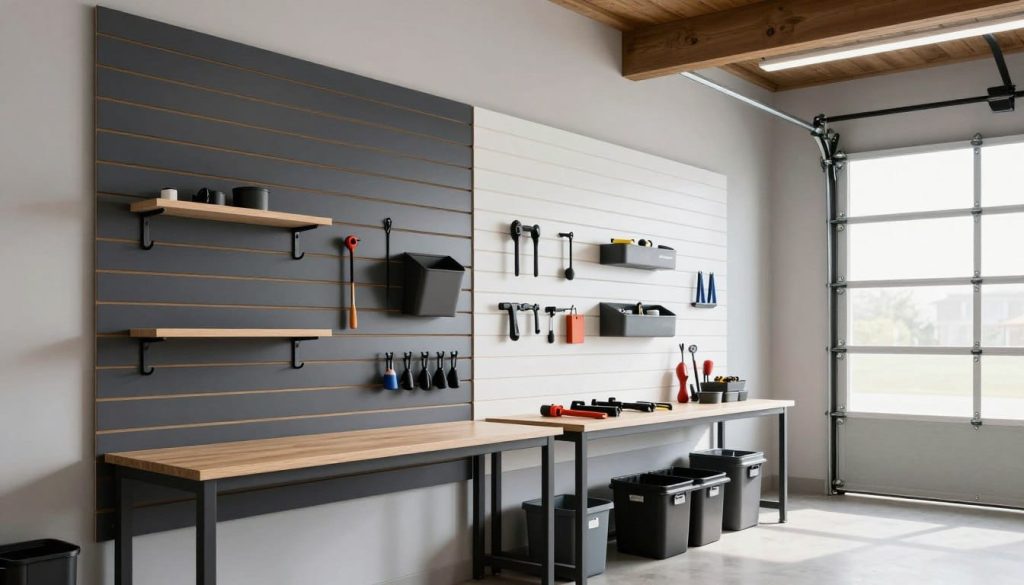
Confirm every panel is level and every screw engages the structure. Cover visible screw heads with groove inserts for a clean, color‑consistent finish before loading accessories.
Perform a brief load test, then add hooks and shelves in stages so weight spreads across studs. For a garage workspace, consider pvc slatwall where moisture resistance matters.
We’ve shown how to properly install and complete an installation with confidence. Call Alabama Mississippi Slatwall Depot—founded in 1977—for quotes, delivery, and advice at (205) 567-1627 or email almsswdepot@outlook.com. Visit us at 6808 Oporto Madrid Boulevard, Birmingham.